
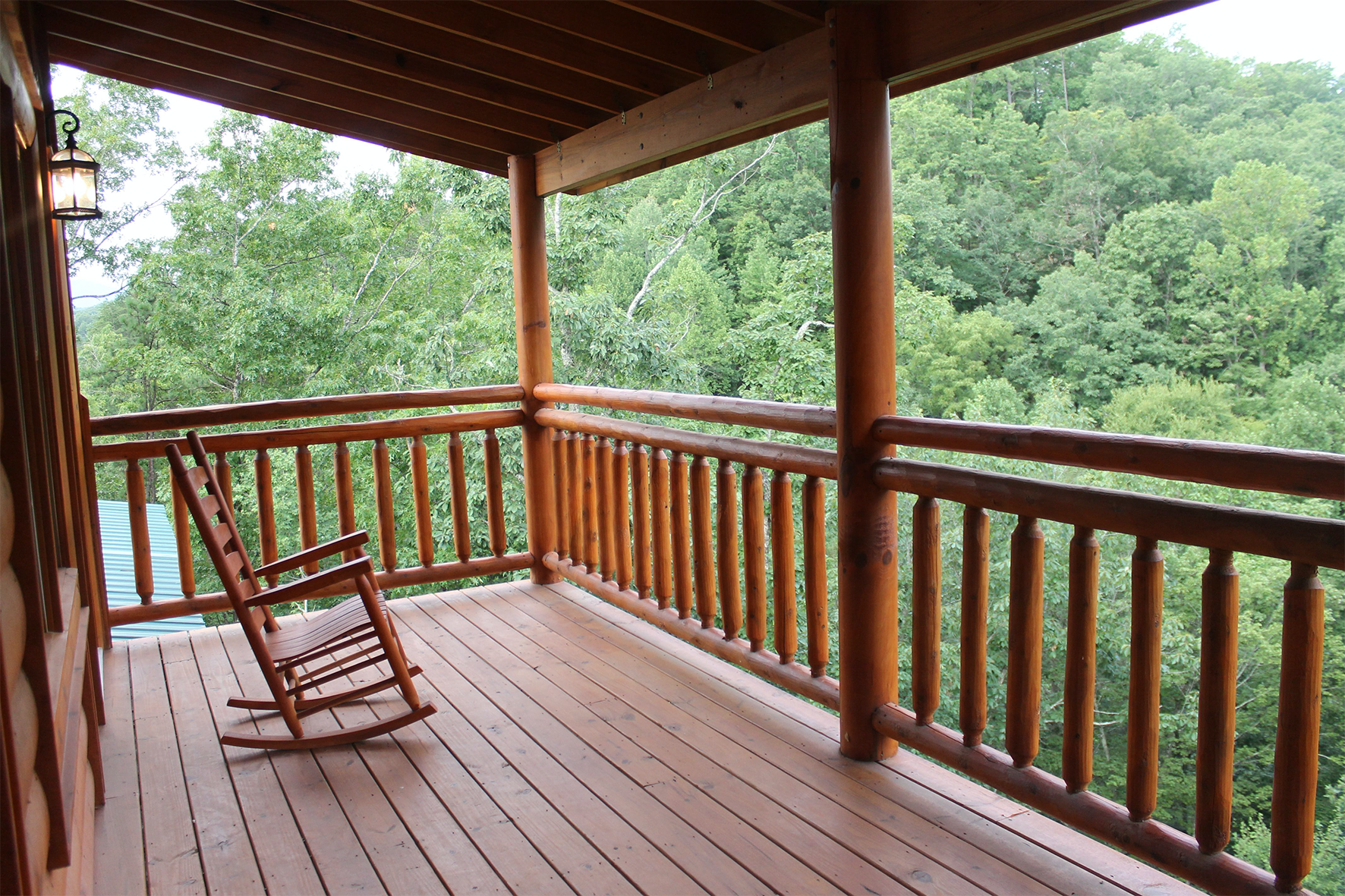
Embarking on the journey to build your own log cabin is an exciting endeavor. As you delve into the planning stages, you will undoubtedly encounter the option of "DIY log cabin kits." These often present themselves as a straightforward and appealing route to realizing your rustic dream.
However, a closer look reveals an alternative: "custom material packages." This option can prompt a crucial question: What distinguishes these two approaches, and which is the most suitable for your specific project?
Many aspiring cabin builders find themselves at this crossroads. While the convenience of a pre-packaged kit is attractive, there is often a desire for greater flexibility, superior material quality, enhanced control over the final aesthetics, or a design that seamlessly integrates with your chosen building site. Making an informed decision at this initial stage is paramount to a successful and satisfying build.
In this comprehensive guide, we will meticulously compare DIY log cabin kits and custom material packages. We aim to provide you with a clear understanding of each option, enabling you to make a confident and well-considered choice for your log cabin project.
What Are DIY Log Cabin Kits?
DIY log cabin kits are essentially pre-designed, pre-packaged building systems. They typically encompass the primary components required for the assembly of your cabin.
A standard kit generally includes:
- Pre-cut logs or timbers: These are often numbered for simplified assembly.
- Fasteners and connection systems: All necessary hardware to secure the structural elements.
- Detailed floor plans and construction drawings: Providing step-by-step guidance for the building process.
It is important to note that while some kits may include certain additional items, our focus at Log Cabin Supply is on providing the core material package for the cabin structure itself. Items such as plumbing, HVAC systems, concrete for foundations, windows, doors, and comprehensive blueprint or engineering services are typically sourced separately by the builder.
A licensed engineer or architect will provide specific span details and load requirements for your project.
The primary appeal of these kits lies in their perceived simplicity. The components are designed for integrated assembly, often likened to a large-scale construction puzzle. This can be particularly appealing to individuals new to the complexities of home building.
Why Individuals Opt for Log Cabin Kits
For many first-time builders, a log cabin kit represents a secure and manageable option. It significantly reduces the need for extensive initial planning and material sourcing for the main structure.
Key reasons for choosing kits include:
- Pre-determined design: Eliminates the need for extensive architectural design services for the primary layout.
- Pre-calculated materials: All necessary core structural components are provided within the package.
- Streamlined building process: Offers a structured, guided approach to constructing the main shell.
- Predictable timelines: The predefined nature of the kit can assist in scheduling the structural build.
For those seeking a highly structured and guided construction experience for the cabin shell, a kit can appear to be an ideal starting point.
Potential Limitations of Log Cabin Kits
While the convenience of kits is undeniable, they frequently come with inherent limitations that may not be immediately apparent. These can often lead to unforeseen challenges during the construction phase.
Common drawbacks include:
- Restricted customization: The design and aesthetic options are typically fixed, limiting personal expression.
- Inflexible layouts: Standardized designs may not perfectly suit the unique contours or characteristics of your land.
- Variable material quality: The quality of materials can differ significantly between suppliers, often reflecting a standardized price point.
- Elevated shipping costs: The bulk and weight of pre-packaged kits can result in substantial transportation expenses.
- Excluded components: Many "complete kits" still require additional material sourcing for items like windows, doors, plumbing, and HVAC, leading to unexpected costs and delays. This aligns with our policy that these specific items are not included in our cabin material packages.
Many builders eventually realize that the rigid structure of a kit does not offer the flexibility required to fully realize their vision.
What Are Custom Material Packages?
Custom material packages offer a distinct methodology. Rather than providing a universal solution, a supplier collaborates directly with you to furnish the precise materials mandated by your project. This approach is meticulously tailored to your unique design specifications, material preferences, and budgetary parameters.
A custom package typically encompasses:
- Log siding or timber components: Selected to align with your design, whether it calls for full logs or specific log siding profiles.
- Interior paneling: Such as high-quality tongue and groove paneling, chosen for its aesthetic and functional attributes.
- Structural lumber: All essential beams and supports, cut and dimensioned according to your architectural plans.
- Trim, fasteners, and finishing materials: Comprehensive detailing to complete the intricate elements of your cabin.
As with all our material offerings, it is important to remember that this package focuses on the core cabin materials. Services like blueprint generation, engineering specifications, and components such as plumbing, HVAC, concrete, windows, and doors are not included and should be planned for separately. A licensed engineer or architect will be crucial for providing span details and load requirements specific to your design.
The fundamental distinction lies in the fact that you are not constrained by a pre-designed system. Your unique vision dictates the material selection and procurement process.
The Core Distinction: Control
The most significant difference between DIY log cabin kits and custom material packages resides in the degree of control afforded to the builder.
With a Log Cabin Kit:
- The primary structural design is predetermined.
- Core material specifications are fixed within the kit.
- Flexibility for structural modifications is inherently limited.
With a Custom Package:
- You retain full autonomy over the design or collaborate with your chosen builder on a bespoke plan.
- Materials are meticulously selected based on your priorities, encompassing quality, aesthetics, and budget.
- Adjustments can be made to accommodate site specifics, climatic conditions, and personal stylistic preferences.
For many, this unparalleled flexibility is the pivotal factor that transforms a good building project into an exceptional one, perfectly aligned with their aspirations.
Design Flexibility: A Critical Factor in Decision-Making
One of the most frequently cited frustrations with log cabin kits, particularly those advertised with seemingly attractive online prices, is the disparity between the envisioned cabin and the final structure.
You might appreciate a particular layout, only to discover that:
- It does not conform to the dimensions or characteristics of your building lot.
- It requires significant structural modifications to comply with regional building codes or environmental conditions. This is where the expertise of a licensed engineer or architect, providing span details and load requirements, becomes essential.
- You desire to expand the footprint, reconfigure the interior, or alter specific design elements.
With a custom material package, you are not attempting to force your architectural vision into a pre-established template. Instead, the materials are specifically procured and prepared to complement your precise architectural plans.
Material Quality and Selection
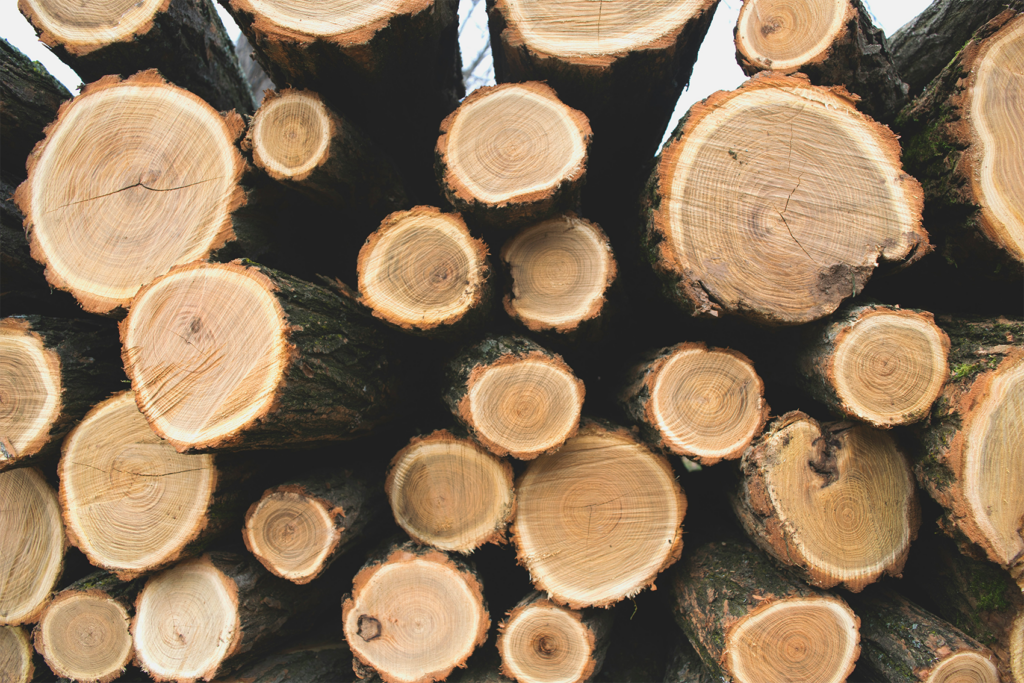
It is a fact that material quality is not uniform across all building components.
Many mass-market log cabin kits standardize materials to meet a specific price point. This can often result in compromises in critical areas:
- Wood species: Limited choice in the type of wood, which may not align with aesthetic preferences or environmental suitability.
- Moisture content: Proper wood drying is crucial for structural integrity and longevity, and kits may not always meet optimal standards.
- Milling quality: The precision of log or timber milling directly impacts fit, finish, and overall structural stability.
- Long-term durability: Substandard materials can lead to reduced longevity and increased maintenance requirements.
Conversely, a custom package empowers you to prioritize quality where it matters most. For instance, selecting premium interior finishes, such as high-grade tongue and groove paneling, can profoundly enhance both the visual appeal and the lifespan of your cabin. It is beneficial to understand how different wood profiles and grades influence the outcome. We recommend exploring options like our Reliance T&G for interior finishes that offer superior quality and aesthetic value.
Cost: Kits vs. Custom Packages
The financial aspect is a significant consideration.
Initially, log cabin kits with listed prices may appear to offer a straightforward and predictable cost for the core structure. However, this figure frequently excludes numerous essential expenses that are not part of our material packages:
- Site preparation (land clearing, grading).
- Foundation construction (concrete slab, crawl space, basement).
- Utility installations (water, sewer, electrical connections, HVAC).
- All interior finishes beyond the basic structural shell, including plumbing.
- The cost of windows, doors, blueprint services, and engineering specifications.
- Labor costs, unless you are personally undertaking all construction tasks.
Many buyers ultimately find that their total expenditure significantly exceeds the initial kit price once all these separate components are factored in.
Custom Packages and Cost Control
With a custom material package, pricing typically offers greater transparency and flexibility from the outset, specifically for the materials we supply.
You can:
- Adjust material grades and quantities to align precisely with your budget.
- Phase your construction project over time, managing expenditures as appropriate for the materials provided.
- Avoid incurring costs for materials that are not genuinely required for your specific build.
Instead of investing in a bundled system that may include superfluous items, you are directing your resources toward exactly what your project demands for the core cabin materials.
Build Experience: Assessing Ease of Construction
Kits are frequently marketed as the "easier" construction option, and in certain respects, this holds for the assembly of the main shell. They are designed for systematic assembly and often include comprehensive instructions.
However, the notion of "ease" is relative and contingent upon your individual circumstances and skill level.
A Kit May Be More Suitable If:
- You are content with a standard, pre-established design for the primary structure.
- You prefer a highly structured, guided construction methodology for the cabin shell.
- You are comfortable working within predetermined structural constraints and do not anticipate significant modifications to the kit itself.
A Custom Package May Be Preferable If:
- You are collaborating with an experienced builder or contractor who can manage the overall project, including items not supplied by us.
- You envision a unique design that reflects a distinct architectural style and requires specialized materials.
- You require flexibility to adjust or incorporate improvements throughout the construction process, necessitating a licensed engineer or architect for structural approvals.
For many homeowners, partnering with knowledgeable suppliers for materials and professional builders for the overall project makes a custom approach equally, if not more, manageable, as it allows for a tailored fit to their specific requirements.
Which Option Is Right for Your Project?
The decision between DIY log cabin kits and custom material packages ultimately hinges on your specific priorities and the unique characteristics of your project.
A Log Cabin Kit May Be Appropriate If:
- You desire a predefined design for the core structure and a streamlined decision-making process for the materials we supply.
- You prefer a highly structured and guided building process for the main cabin assembly.
- Your construction site is straightforward, without complex topographical or environmental considerations requiring extensive engineering.
A Custom Material Package May Be More Advantageous If:
- You seek complete design autonomy and wish for a uniquely personalized cabin.
- Material quality, long-term durability, and specific aesthetic details are paramount for the components we provide.
- Your building site presents unique requirements, or your vision is particularly intricate, necessitating the involvement of a licensed engineer or architect.
- You aim to optimize your budget by meticulously selecting only the necessary materials from our offerings.
If you are already questioning the inherent limitations of a standard kit, it typically indicates that exploring custom options will lead to a more satisfactory and fulfilling outcome, allowing you to integrate all the components not supplied by us more effectively.
A Refined Approach to Your Cabin Build
There is no singular, universally applicable solution for every log cabin project. Some endeavors genuinely benefit from the inherent simplicity of a kit for the core structure, while others flourish with the expansive flexibility and control offered by a custom material package.
The critical element is a thorough understanding of what each option provides from our supply, and equally important, what components, such as plumbing, HVAC, concrete, windows, doors, and engineering services, must be procured and managed separately.
Should you still be evaluating your options, examining real-world material solutions can be highly informative. Consider different siding systems, such as those we provide, and investigate various interior finishes to appreciate how these distinct components integrate to form a complete and aesthetically pleasing structure.
Ready to Construct Your Cabin with Precision?
If you are considering alternatives to conventional log cabin kits, please know that you do not need to navigate this process independently.
At Log Cabin Supply, we are dedicated to assisting you in building smarter. We specialize in providing high-quality materials meticulously tailored to your specific project. Whether you possess detailed architectural plans or are in the nascent stages of design, we can guide you toward the most appropriate solution for the cabin package materials we supply, helping you integrate them into your overall build.
Discover the tangible difference that superior materials and expert guidance can make.
Explore our comprehensive range of log cabin material packages and begin planning your build today. Contact our team for expert guidance on your project.
The judicious selection of materials is foundational to a successful build. Let us help you construct something enduring, a cabin you will cherish for generations.