
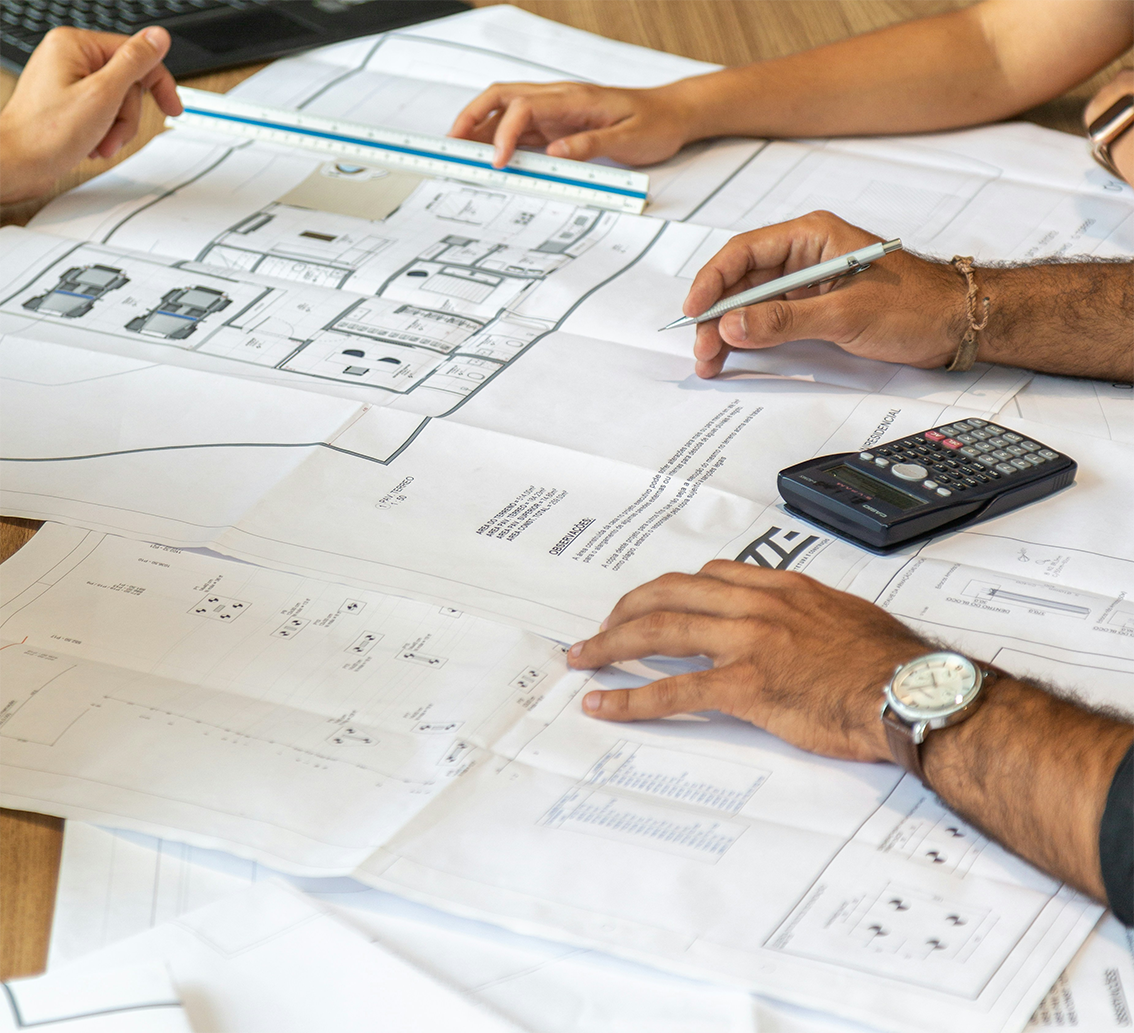
So, you have your log cabin blueprints right there in your hands. That already puts you way ahead of most people.
At this point, you are not just dreaming about a cozy cabin anymore. You are getting ready to build one. And that is exactly where things can start to feel a bit confusing.
Most plans are great at showing you what the finished cabin will look like. But they do not always make it clear what you need to order to make it happen.
This is often where many building projects start to slow down or even go off track. Imagine discovering you are missing materials right in the middle of a build or realizing you have ordered the wrong quantities. These kinds of surprises can quickly lead to annoying delays and unexpected costs.
Here at Log Cabin Supply, we understand this challenge completely. This is exactly where we come in to help. We take your blueprints and work directly from them to create a precise build-ready materials package. This way, you can move forward with your project feeling confident and prepared.
In this guide, we are going to walk you through how to properly read log cabin blueprints. More importantly, we will show you what absolutely needs to be on your materials list to build your cabin correctly.
Why Your Materials List Matters More Than Your Blueprints
Think of your blueprints as the story of your future home. They tell you what it is supposed to be. But your materials list? That is what truly decides if that home can be built.
Even the most detailed log cabin floor plans usually do not account for every single thing you will need on site. They will show you the dimensions, the layout, and all the main structural parts. But they often leave out crucial ordering details like these:
- The exact dimensions and shapes of the lumber
- How much extra material should you account for waste
- All the fasteners and hardware
- Trim and other finishing touches
- Which specific wood species to use.
Without a truly complete materials list, you are basically left to guess. And when it comes to construction, guessing can get very expensive very quickly.
This is a big reason why many builders and homeowners are moving away from generic kits. Instead, they are choosing custom material packages that are built directly from their own exact plans.
If you are working with your own drawings, you can always reach out to us for a quote. We can take your blueprints and translate them into a full, detailed material takeoff for you.
How to Read Log Cabin Blueprints (The Right Way)
Before you can even begin to build your materials list, you really need to understand what your plans are actually telling you.
Most log cabin blueprints will include a few key components. Let us break them down.
Floor Plans
These are like a bird's-eye view of your cabin's layout. They show you the size of each room where the walls will be and exactly where the doors and windows go.
From the perspective of your materials list, this view helps you figure out:
- How long do your walls need to be
- Where your interior partition walls will go
- The rough openings required for your doors and windows
Elevations
Elevations show you each side of your cabin as if you are looking at it from the outside.
These drawings are super helpful for understanding:
- The height of your walls
- The slope and lines of your roof
- How many exterior log courses will you need
This last point is especially important for figuring out the exact number of logs or timbers you will need for the exterior walls.
Section Views
Section drawings are like taking a slice right through your cabin. They show you how all the different parts fit together inside.
Here is where you will find important details about:
- Your floor systems
- How the walls are assembled
- The structure of your roof
- Insulation and spacing
These section views often hold critical structural details that will directly impact your materials list.
Framing and Structural Details
Some blueprint sets will have dedicated sheets just for framing. Others might integrate these details into the section views.
These parts of the plans define things like:
- The sizes of your beams
- How far apart do your floor joists need to be
- The dimensions of your roof rafters
- Where the main load-bearing points are.
This information is essential when you are ordering any structural lumber for your cabin.
What Your Log Cabin Materials List Needs to Include
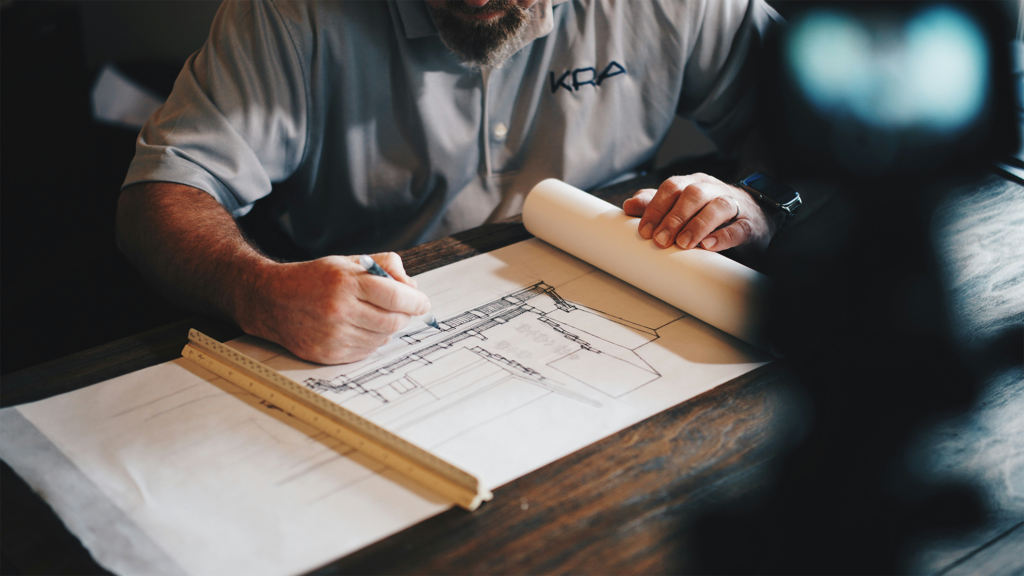
Once you have a good grasp of your plans, the next step is to build a complete materials list. This is often where many projects fall short.
A proper list goes way beyond just the logs themselves.
Wall Logs or Timbers
This is obviously the heart of your cabin.
Your list should clearly specify:
- The type of profile for your logs
- Their thickness and height
- The specific corner system you will be using
- The total linear footage, or how many courses of logs you will need.
The choice of material here really matters. Different wood species perform differently when it comes to how durable they are, how stable they will be, and how they look. If you are still thinking about it, it is a good idea to look at options like pine, cedar, or other common woods used in log construction.
Floor System Materials
Your blueprints will lay out the structure of your floor, but your materials list simply must include:
- Your floor joists
- The rim boards
- The subfloor panels
- Any necessary blocking.
Missing even one of these components can cause frustrating delays in your build.
Roof Structure
The roof system is usually one of the most involved parts of building a log cabin.
Your materials list should include everything, like:
- The rafters or trusses
- The main ridge beams
- The decking for the roof
- All the materials needed for overhangs.
The pitch and span information from your blueprints will directly affect how much of each of these you will need.
Doors and Windows
Your plans will show you where the doors and windows go, but your materials list needs to account for more than just that. It must include:
- The framing for the rough openings
- All the necessary headers
- The actual door and window units themselves
Mistakes with sizing are common if this part is not carefully reviewed.
Fasteners and Hardware
This is honestly one of the most overlooked categories.
Your build will require:
- Special log screws or spikes
- Regular nails and other structural fasteners
- Various brackets and connectors
These items are rarely fully detailed in standard log cabin floor plans or basic materials lists.
Trim and Finish Materials
To truly complete your cabin, you will also need various trim and finish materials like:
- Interior trim pieces
- Exterior trim pieces
- Fascia and soffits
- Any stair components if your cabin has them
These kinds of details are often not fully specified in blueprints, but they are indispensable for finishing your project and making it look complete.
The Problem with Standard Log Cabin Kits
Many people start their journey by looking into a log cabin kit. It seems straightforward at first, does it?
However, most kits are designed around a set of pre-existing plans. They usually do not adapt very well if you already have your own custom blueprints.
This can often lead to having to compromise on your design, your layout, or even the materials you wanted.
If you are still exploring different options, you can certainly check out our kit packages here. But if you already have your own specific plans, a custom material package is almost always the better choice.
It lets you build exactly what you designed without forcing your unique project into a predefined system that might not fit.
Why Builders Choose Blueprint-Based Material Packages
If you are wondering how to build a log cabin from blueprints, this specific step makes the biggest difference.
A material package based on your exact blueprints offers you several key advantages:
- Accurate takeoffs that are based on your precise design
- Efficient use of materials, which means less waste
- Flexibility in choosing your wood species and finishes
- Support from a team that truly understands log construction.
At Log Cabin Supply, we do not just sell you a generic kit and then send you on your way. We carefully review your plans, figure out exactly what is needed, and then build a package that is perfectly tailored to your project.
Common Mistakes to Avoid
Even experienced builders can sometimes run into problems when working from blueprints.
Here are some of the most common mistakes we see:
- Ordering materials simply from the plan dimensions without considering extra for waste
- Forgetting to order crucial structural connectors and hardware
- Underestimating how much trim and finishing materials you will need
- Choosing the wrong wood species for the climate or environment
- Assuming that a standard kit will perfectly match a custom plan.
These mistakes are totally avoidable with the right kind of planning right from the start.
From Blueprints to Build-Ready
Your blueprints are the beginning. But your materials list is what actually turns those dreams into a tangible reality.
If you want your log cabin project to stay on schedule and within your budget, getting that materials list right from the very beginning is the most important step you can take.
If you already have your log cabin blueprints and are ready to move forward, you can easily send us your plans for a quote. We will carefully review your drawings and then put together a complete materials package that is perfectly tailored to your design.
No more guessing. No missing pieces. Just a clear, straightforward path from your plans to your finished cabin.
Final Thoughts
Building a log cabin from blueprints is truly one of the most rewarding projects you can ever take on. But it requires careful planning and making sure you have all the right materials.
Understanding your plans is important, of course. But having a complete and accurate materials list is what truly sets your project up for success.
If there is one thing you take away from this guide, let it be this:
Do not ever rely on assumptions when it comes to your materials. Build your list with absolute precision, or better yet, work with a team like ours that can do it for you.
That is the real difference between a smooth, enjoyable build and a stressful, difficult one.
Got your blueprints? Great! Let us help you bring them to life. Request a quote for your custom material package today.