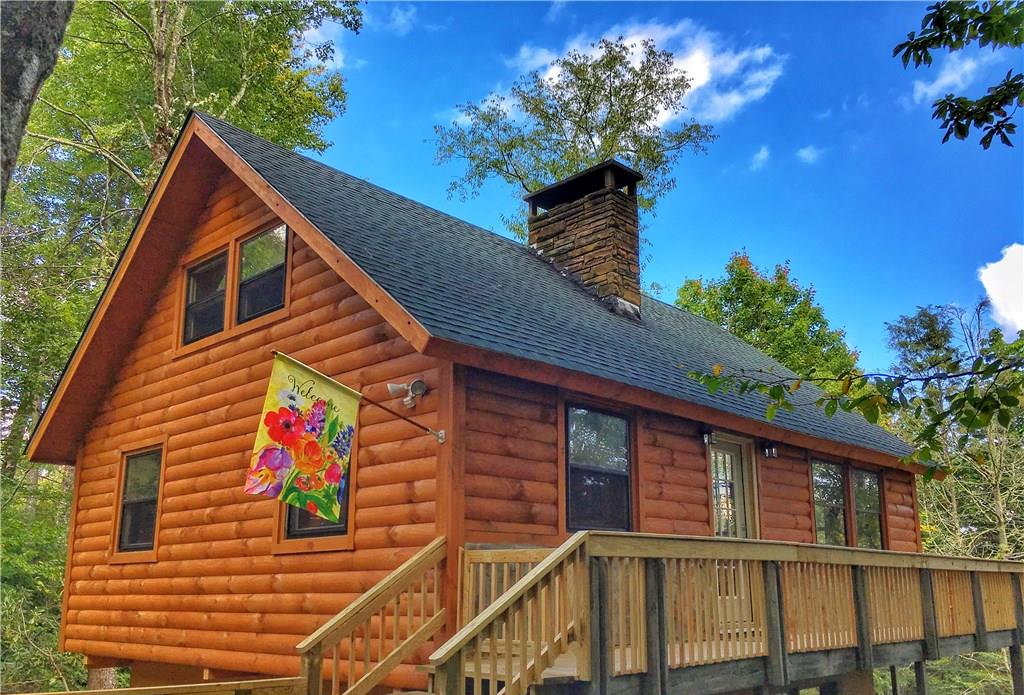
When you imagine your ideal log cabin, specific details probably spring to mind, like the warmth of a crackling fire, the expanse of a welcoming porch, or perhaps a serene view from a window overlooking a quiet lake. Yet, before any of those beautiful visions can become reality, you face a pivotal choice, such as how the very walls of your cabin will be constructed.
Your selection of log profile is far more than a minor design element. It is the defining feature that will determine your cabin's overall appearance, its long-term durability, and ultimately, the complete roster of materials you will need for the build.
At Log Cabin Supply, we talk about this every single day with people planning their builds. Many come to us with their blueprints in hand, yet they are still wondering if D log siding, half log siding, or full round logs are the right path for them. Each one has its own strengths, and the best choice truly depends on your vision, your budget, and how you want your finished cabin to feel.
This guide is here to walk you through each profile in a straightforward way. Our goal is to give you the confidence to move forward before you even submit your final plans.
Understanding Log Profile Types in Cabin Construction
Before we dive into comparing the options, let us clarify what a log profile means in the world of cabin building.
A log profile simply refers to the specific shape and cut of the logs that make up your cabin walls. This choice impacts several key areas:
- The way your cabin looks from the outside.
- How the interior walls will appear and feel.
- The structural performance of your home.
- The method your builders will use for installation.
- The exact materials you will need to order.
For most log cabin projects, your decision will likely fall into one of these three main categories:
- D log siding.
- Half log siding.
- Full round logs.
Each of these supports a different kind of log cabin wall construction, and each is perfect for a different kind of build.
What Is D Log Siding?
D log siding is a very popular choice for many modern cabin builds. It gets its name from its distinctive "D" shape. Picture this: the exterior side is beautifully rounded, giving you that classic log cabin curb appeal, while the interior side is cut perfectly flat.
This unique shape offers the best of both worlds. You get the authentic log look on the outside, combined with smooth, flat interior walls that are simple to finish and decorate.
Why Builders Love D Log Siding
- A clean, consistent log appearance on the exterior.
- Flat interior walls make installing electrical, plumbing, and finishes much easier.
- Generally simpler to install compared to full round logs.
- Integrates seamlessly with standard stick-framed wall systems.
D logs are often used as a siding system that is applied over a conventionally framed wall. This construction method gives you a lot of flexibility when it comes to insulation, running wires, and designing the overall structure of your cabin.
If you are curious about the different sizes, wood species, and ways to use them, Reliance Timber has a great resource on D log siding that goes into all the details.
When D Logs Make the Most Sense
- You want the classic log cabin look without the added complexity of full log construction.
- Your builder prefers to work with conventional framing methods.
- You are looking for a practical balance between stunning aesthetics and building efficiency.
What Is Half Log Siding?
Half-log siding is similar in concept to D logs, but there are subtle differences in how they are cut and installed. These logs are typically milled to truly look like half of a completely round log and are then attached as siding over a framed wall structure.
Key Characteristics of Half Logs
- A beautifully rounded exterior appearance.
- A flat back for securely mounting them to framed walls.
- Lighter in weight compared to full logs.
- More adaptable for remodels or adding on to an existing structure.
Half logs are often chosen by homeowners who want to transform an existing house into a log-style home. They can also be an excellent choice for cabins where full log construction might not be practical due to budget constraints or difficult site conditions.
Where Half Logs Fit Best
- Renovating or upgrading existing homes to a log aesthetic.
- Building smaller cabins or secondary structures like guest houses.
- Projects where installation speed and ease are important factors.
What Are Full Round Logs?
Full round logs represent the most traditional and authentic form of log cabin construction. These logs are either left in their natural round state or milled to maintain a perfectly circular profile throughout.
Unlike siding systems, full round logs are structural. This means they are carefully stacked and joined together to create the actual load-bearing walls of your cabin.
What Makes Full Round Logs Special
- A truly authentic log cabin appearance, both inside and out.
- They form the structural wall system itself, not just an exterior finish.
- A heavier material that requires more intricate joinery techniques.
- Demands precise planning and exceptional craftsmanship during construction.
This type of construction often involves skilled techniques like scribing, notching, and the meticulous fitting of each log. It is a more involved and time-consuming process, but the result is that timeless, classic cabin feel that many people dream about.
When Full Round Logs Are the Right Choice
- You are aiming for a genuine, traditional log cabin build.
- You are working with highly experienced builders or log home specialists.
- You are planning a long-term home or a legacy property meant to last for generations.
Comparing D Log vs Half Log vs Full Round
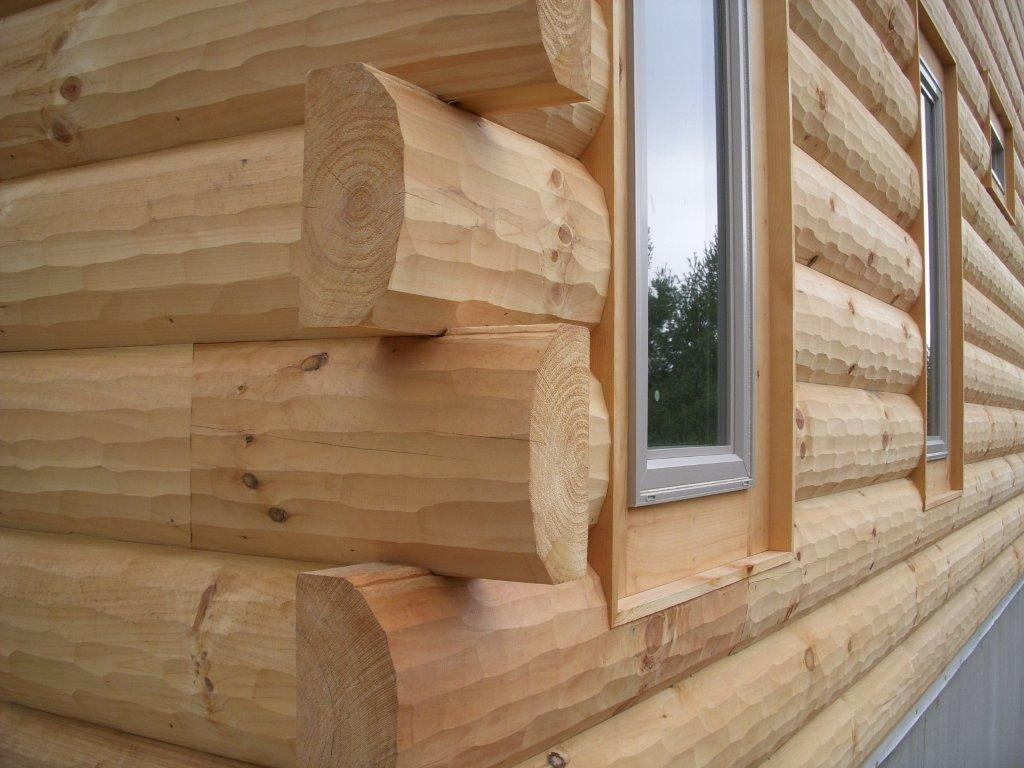
When you are trying to decide between these different log profiles, it helps to think about what your top priorities are for your cabin.
Appearance
- D log siding: Offers a traditional exterior combined with a clean, modern interior wall finish.
- Half log siding: Provides a similar exterior look, often with a slightly less refined finish than D logs.
- Full round logs: Delivers a completely authentic log aesthetic, both inside and out.
Construction Method
- D log and half log: These are applied over standard stick-framed walls.
- Full round: These form the structural log wall system of the cabin.
Installation Complexity
- D log: Moderate complexity, generally builder-friendly.
- Half log: Usually straightforward to install.
- Full round: Quite complex and very labor-intensive.
Cost Considerations
- D log and half log: Often more budget-friendly when considering the overall project cost.
- Full round: Typically represents a higher investment in both materials and specialized labor.
Maintenance
- All log systems require ongoing maintenance. However, full round logs generally need more frequent attention due to their full exposure and structural role.
How Your Log Profile Impacts Your Materials List
One of the most crucial reasons to decide on your log profile early in the planning process is its direct impact on your materials list.
At Log Cabin Supply, we work directly from your blueprints. This means your chosen log profile determines many vital aspects of your order:
- The exact quantity and dimensions of the logs you will need.
- The specific corner systems and joinery components for your build.
- All the fasteners and installation hardware required.
- The trim and finishing materials that will complete your cabin.
If you are still weighing your options between different profiles, it is definitely worth having a detailed conversation with us before you request a quote. This ensures that your materials package is completely accurate and perfectly aligned with how you truly plan to build your cabin.
You can explore the various options for logs, corners, and related components on our logs and corners page, which clearly outlines the core materials used in different construction approaches.
Choosing the Right Profile for Your Build
There is truly no single "best" answer when it comes to log profiles. The right choice ultimately comes down to how you want to build your cabin and what matters most to you in the finished product.
- Choose D log siding if you are looking for that sweet spot, a beautiful traditional appearance combined with the efficiency and flexibility of modern construction.
- Choose half-log siding if you are planning to upgrade an existing structure, or if you need a flexible, lighter-weight solution for your build.
- Choose full round logs if your heart is set on an authentic, true log cabin experience and you are ready for a more involved and hands-on building process.
Bringing It All Together
Your log profile is much more than just a simple design choice. It profoundly shapes how your cabin will be constructed, how well it performs year after year, and how your entire materials package comes together.
If you are currently working from blueprints or getting ready to finalize your building plans, now is absolutely the right time to make this important decision.
At Log Cabin Supply, we specialize in helping you take those initial plans and transform them into a complete, ready-to-build materials package. Whether you have already decided on your preferred log profile or need a little guidance to make that choice, our team is here to help you every step of the way, making sure nothing gets overlooked.
If you are ready to move forward, reach out to us for a personalized quote. We will help you translate your vision into the exact materials you need to build your dream cabin.