Modern Mountain Log Home Materials: What Goes into That Clean, Contemporary Look
The modern mountain look has become one of the most requested styles in cabin design for good reason. Choosing the right modern mountain log home materials perfectly blends the warmth of traditional wood construction with a cleaner, more refined aesthetic. The result feels current without losing its connection to nature.
If you have been searching for ideas around modern log cabin design or wondering how to achieve that sleek alpine feel, it usually comes down to one thing: materials.
The right combination of wood, finishes, and structural elements creates that balance between rustic and contemporary. If you are building from blueprints, understanding these material choices early can save you time, money, and design frustration later.
In this guide, we will walk through the key materials that define a contemporary log home and how to choose them with intention.
What Defines a Modern Mountain Style?
A modern mountain home is not about removing wood. It is about using wood more intentionally.
Instead of heavy, overly rustic finishes, this style focuses on:
- · Clean lines and simple geometry
- · Natural materials with minimal treatment
- · Contrast between light and dark tones
- · Open interior spaces with visible structure
- · A balance between wood, glass, and metal
You still get the warmth of a log home, but with a more refined and architectural feel that aligns with modern living.
If you are early in the planning phase, it helps to explore how these ideas come together in real builds. You can see examples and material combinations on our Modern Mountain style page, which breaks down how this aesthetic translates into actual construction decisions.
Exterior Materials That Shape the Look
The exterior is where the modern mountain style makes its first impression. This is also where material selection has the biggest visual impact.
1. Log Siding and Profile Selection
Traditional cabins often lean toward full round logs, which create a bold and rustic appearance. For a more contemporary log home, the approach is different.
Homeowners tend to choose:
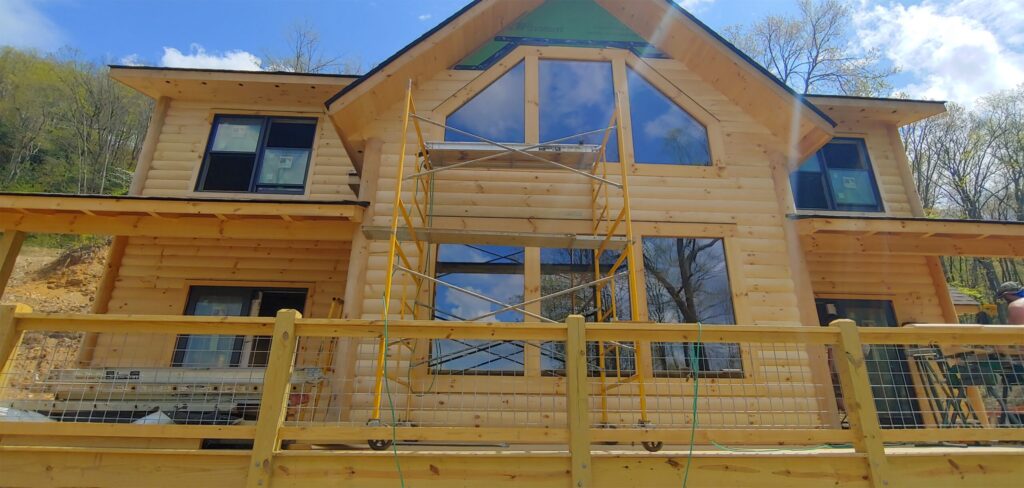
- D log siding for a flatter, more streamlined look.
- Square or rectangular profiles for sharper lines.
- Mixed siding styles to create contrast.
These profiles reduce visual bulk and create cleaner horizontal lines across the structure. They also pair well with modern architectural features like large windows and metal roofing.
When planning your build, it is worth reviewing siding and exterior cladding options early. The profile you choose will influence everything from trim details to how light interacts with the structure.
2. Mixed Exterior Cladding
One of the defining features of modern log cabin design is its use of contrast. Instead of using the same material across the entire exterior, modern builds often combine multiple finishes.
Common combinations include:
- Wood siding with metal panels.
- Log walls paired with stone accents.
- Smooth cladding sections alongside textured wood.
This layering creates depth and visual interest without making the home feel busy. It also allows you to highlight specific architectural elements, such as entryways or gables.
3. Large Glass Openings
Glass is not just a design feature in a modern mountain home. It is a core material.
Expansive windows:
- Bring in natural light.
- Frame outdoor views.
- Break up heavier wood surfaces.
This contrast between solid wood and transparent glass is what gives contemporary log homes their signature open feel.
From a materials perspective, this means planning for structural support around large openings and ensuring your package accounts for proper framing and insulation.
4. Roofing Materials and Finishes
Roofing plays a bigger role than most people expect in defining the overall look.
Modern alpine chalet design typically includes:
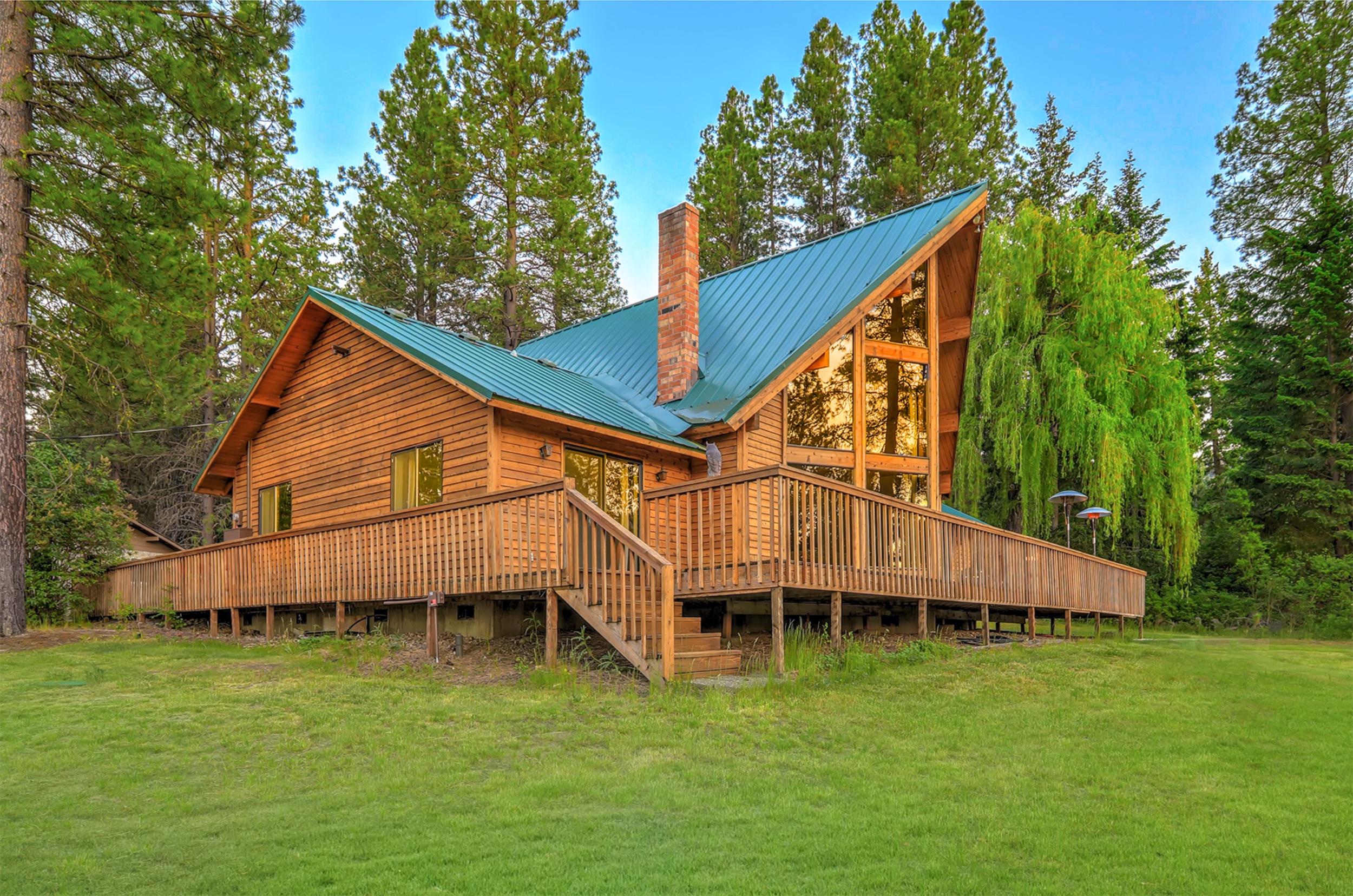
- Standing seam metal roofing
- Dark or matte finishes
- Simple rooflines with minimal ornamentation
These choices complement the clean lines of the structure and provide durability in mountain climates.
Interior Materials That Complete the Design
The exterior sets the tone, but the interior is where the modern mountain aesthetic really comes to life.
1. Interior Wood Finishes
Wood is still the centerpiece, but it is treated differently.
Instead of heavy stains or glossy finishes, modern interiors lean toward:
- Lighter tones or natural finishes
- Matte or low-sheen coatings
- Consistent grain patterns
This creates a softer, more open feel while still highlighting the natural beauty of the material.
If you are selecting interior wood, it is important to think about how it connects to your exterior choices. A cohesive material palette is what makes the home feel intentional rather than pieced together.
You can explore interior wood options to see how different finishes and profiles impact the overall look and feel inside the home.
2. Exposed Structural Elements
Modern design often celebrates the structure itself.
This can include:
- Exposed beams.
- Timber trusses.
- Clean joinery details.
Instead of hiding these elements, they become part of the visual design. The key is keeping lines simple and avoiding overly decorative cuts or carvings.
3. Flooring and Contrast Materials
To balance the warmth of wood, modern mountain interiors often introduce contrast through other materials.
Common choices include:
- Polished or stained concrete floors.
- Wide plank hardwood in neutral tones.
- Stone features around fireplaces.
These materials ground the space and prevent it from feeling overly rustic.
The Role of Wood Species in a Contemporary Log Home
The wood species you choose affects both appearance and performance.
For modern mountain home materials, builders often prioritize:
- Straight grain patterns for a cleaner look
- Fewer knots for a more refined finish
- Consistent color tones across boards
Species like pine, fir, and cedar can all work, but the final selection should align with your design goals and climate conditions.
If you are working from blueprints, this is where a custom materials package becomes especially valuable. Instead of forcing your design to fit a standard kit, your materials are selected to match your exact vision.
Why Material Planning Matters Early
One of the biggest mistakes in building a contemporary log home is treating materials as a late-stage decision.
Materials influence:
- Structural requirements
- Budget and logistics
- Energy efficiency
- Overall design consistency
When materials are considered from the beginning, everything from framing to finishes works together more smoothly.
This is especially important if you are aiming for a clean, modern aesthetic. Small inconsistencies in profile, finish, or color can stand out more in a minimalist design.
Bringing It All Together
A modern mountain home is not defined by a single material. It is the combination of thoughtful choices that creates the result.
Clean log profiles, balanced exterior cladding, intentional interior finishes, and the right structural elements all work together to create a space that feels both natural and refined.
If you are planning a build and want that contemporary alpine look, the best place to start is with your materials. From there, everything else begins to fall into place.
At Log Cabin Supply, we work directly from your blueprints to help you select the right materials for your design. Whether you are building a traditional cabin or a fully customized contemporary log home, we can help.
If you are ready to start planning your package, request a quote here, and we will help you align your materials with your vision from the very beginning.